
Polsinelli at Work Blog
- Restrictive Covenants & Trade SecretsAugust 21, 2024
Texas Federal Judge Blocks FTC Non-Compete Ban
Yesterday, Judge Ada E. Brown of the U.S. District Court for the Northern District of Texas in Ryan v. The Federal Trade Commission upheld a challenge by business groups to the FTC’s non-compete ban. In addition to confirming her earlier ruling that the FTC non-compete ban was not a valid exercise of agency power, the judge also expanded the limited, temporary injunction entered on July 3, 2024 to hold unlawful and set aside the noncompete-ban in a ruling with a “nationwide effect” that is not limited to the parties in the lawsuit. In other words, the FTC’s non-compete ban will not take effect on September 4 for anyone. The Court concluded that: (1) the FTC lacked statutory authority to promulgate substantive rules concerning unfair methods of competition, i.e. the non-compete ban; and (2) the non-compete ban is arbitrary and capricious because it is “unreasonably overbroad without a reasonable explanation.” As a result, the Court found the non-compete ban to be an unlawful agency action. In deciding the appropriate relief, the Court relied on recent precedent from the Fifth Circuit to conclude its ruling must have a “‘nationwide effect,’ is ‘not party-restricted,’ and ‘affects persons in all judicial districts equally.’” Thus, the Court’s ruling prevents (1) the FTC from taking any action to enforce the non-compete ban against anyone; and (2) the FTC non-compete ban from taking effect on September 4, 2024—effectively vacating it. What happens next? In the wake of the ruling, the FTC’s spokesperson stated, “[The FTC is] seriously considering a potential appeal.” If the FTC decides to appeal, the decision would be reviewed by the U.S. Court of Appeals for the Fifth Circuit in New Orleans. Any decision rendered by the Fifth Circuit would likely be appealed to the U.S. Supreme Court—meaning the final fate of the FTC’s non-compete will be revisited and could change. Importantly, even though the FTC non-compete ban will likely not go into effect in the immediate future, the FTC still has the power in the interim under Section 5 of the FTC Act to pursue enforcement actions on a case-by-case basis. In reacting to the ruling, an FTC spokesperson stated, “Today’s decision does not prevent the FTC from addressing noncompetes through case-by-case enforcement actions.” If the FTC is to be taken at its word, it appears ready to amplify such enforcement actions in the future. The FTC’s posture could change after the November election depending upon the policies of the next administration. How should employers approach non-competes? Notwithstanding yesterday’s ruling, employers should still be mindful of the enforceability of their non-competes now and in the future. Several states have limited or outright banned the use of non-competes. The move by the FTC could spark additional state legislatures to revisit state-level restrictions as they return from recess and begin new legislative sessions this Fall. The U.S. Congress could also decide to enact legislation of its own; and, it’s conceivable that yesterday’s ruling will serve as a catalyst for Congress to revisit such legislation. Polsinelli attorneys are continually monitoring the evolving landscape of restrictive covenant law and are available to help you evaluate your use of non-competes and other restrictive covenants to protect competitive information.
- Restrictive Covenants & Trade Secrets
Pennsylvania Latest to Curtail Use of Non-Competes
Pennsylvania is joining the growing chorus of states codifying restrictions on the use of non-competes. On July 17, 2024, Pennsylvania Governor Josh Shapiro signed into law the Fair Contracting for Health Care Practitioners Act. Effective January 1, 2025, the Act limits the use of non-competes for health care practitioners and requires employers to provide notice to patients of a health care practitioner’s departure. In passing the Act, legislators intended to improve the attraction and retention of health care practitioners in Pennsylvania and limit the negative impacts of non-competes in the healthcare industry. With specific regard to the types of prohibited covenants, the Act renders void and unenforceable any “noncompete covenant” between an employer and health care practitioner “which has the effect of impeding the ability of the health care practitioner to continue treating patients or accepting new patients.” That definition is arguably broad enough to encompass patient nonsolicitation provisions, although such provisions are not specifically referenced. The Act applies only to certain “health care practitioners”: medical doctors, osteopaths, nurse anesthetists, registered nurse practitioners and physician assistants. The Act also imposes patient notification requirements on all entities falling within the definition of “employer.” Following the departure of a health care practitioner, an employer must notify the health care practitioner’s patients seen within the past year of that: (1) the health care practitioner departed; (2) the patient may receive care from the departed health care practitioner or another health care practitioner, including how the patient can transfer records to another health care practitioner other than with the employer; and (3) the patient may be assigned to another health care practitioner within the employer. Finally, the Act does not restrict the ability of employers to enforce contractual provisions allowing an employer to recover reasonable expenses from a health care practitioner (1) directly attributable to the health care practitioner and accrued within three years prior to separation when the health care practitioner voluntarily separates from the employer; (2) related to relocations, training, and the establishment of a patient base; and (3) amortized over a period of up to five years from the date of separation by the health care practitioner. Importantly, the Act does not restrict: Non-competes one year or less in duration if the health care practitioner voluntarily separates from the employer; or Non-competes executed prior to January 1, 2025. With regard to the non-competes entered in the context of a sale of a business, the Act does not apply to non-competes connected to (1) the sale of a health care practitioner’s ownership interest in an entity or all or substantially all of the assets of the business entity; (2) transactions resulting in the sale, transfer, or change in control of the business entity; or (3) a health care practitioner’s receipt of an ownership interest in the business entity. Employers should consult with their Polsinelli attorneys in advance of the January 1, 2025, effective date of the Act to review and assess their agreements with health care practitioners, as well as compliance with the Act’s patient notice requirement.
July 29, 2024
- Restrictive Covenants & Trade SecretsJuly 24, 2024
Pennsylvania Court Keeps FTC Non-Compete Ban on Life Support
Yesterday (July 23), a Pennsylvania judge—in ATS Tree Services, LLC v. Federal Trade Commission—upheld the legality of the FTC's non-compete ban. This ruling contradicts the ruling recently issued in a parallel proceeding in Texas. Earlier this month, a Texas judge—in Ryan, LLC v. Federal Trade Commission—temporarily enjoined the FTC’s non-compete ban from going into effect against the named plaintiff/intervenors. Although the Texas judge declined to implement a nationwide injunction, she signaled an intent to uphold the challenge to the non-compete ban in a future ruling based on her finding that the FTC had likely exceeded its statutory authority and a categorical ban on non-competes would be arbitrary and capricious. The ruling sides with the FTC, creating a divide in the judiciary on the scope of the FTC's regulatory powers and the legality of the FTC’s upcoming non-compete ban (scheduled to take effect on September 4). While the Court’s ruling partially denied a preliminary injunction based on a finding of no irreparable harm, the crux of the opinion held that plaintiff was unlikely to succeed in establishing that the FTC’s non-compete ban is unlawful. In so finding, the judge endorsed the FTC’s interpretation of its procedural and substantive rulemaking authority and concluded that the FTC has the authority to promulgate a rule that effectively bans non-competes nationwide. What comes next? While the Pennsylvania judge's decision provides a lifeline to the quickly approaching non-compete ban, the FTC's win may be short-lived. By August 30, the Texas judge intends to rule on the ultimate merits of the challenge to the non-compete ban, at which time she could issue more expansive, nationwide relief. Additionally, briefing is underway in a third challenge to the non-compete ban filed in Florida (Villages, Inc. v. Federal Trade Commission). It is expected that yesterday’s developments could spur additional legal challenges by employers. We will continue to monitor and report new developments. What should employers do now? Given the uncertainty of whether the FTC’s non-compete band will go into effect on September 4, employers should consult with counsel about their options and the appropriate steps and contingencies to explore in the interim.
- Restrictive Covenants & Trade SecretsJuly 03, 2024
Texas Federal Judge Partially Blocks FTC Ban on Non-Competes
On July 3, a Texas judge in the bellwether lawsuit, Ryan, LLC v. The Federal Trade Commission, became the first to weigh in on the legality of the FTC’s non-compete ban that is set to take effect on September 4. As was widely anticipated, the Court concluded that a preliminary injunction was appropriate, and it temporarily enjoined the non-compete ban from going into effect against the named plaintiff/intervenors to the Ryan lawsuit. Less anticipated, the Court declined to issue a nationwide injunction to non-parties—meaning that the FTC’s non-compete ban currently remains set to take effect on September 4 for all employers who are not named parties in the Ryan lawsuit. In reaching its conclusion, the Court held that the FTC’s rule banning most non-competes is likely unlawful for two reasons: (1) the FTC likely exceeded its statutory authority because it does not have substantive rulemaking authority to craft rules regarding unfair methods of competition; and (2) a categorial ban on nearly all non-competes would likely be arbitrary and capricious because it is overly broad without any reasonable explanation. While these findings are a clear rebuke of the FTC’s actions, the Court expressed doubt about whether it would be appropriate for it to issue a nationwide injunction that would extend to non-parties because such relief is unnecessary to protect the interests of the named parties (which is the focus at the preliminary injunction stage). The implications of this ruling are going to evolve over the next two months. The Court has ordered the parties to submit a joint status report by July 9 to determine the case’s next steps, and it has committed to issuing a final decision on the merits of the entire lawsuit by August 30. This forthcoming merits-based decision could result in a more expansive nationwide injunction that would extend to non-parties; however, many employers may view this as providing little reprieve in the interim because of the anticipated rulings timing with the looming September 4 effective date and actions needed to prepare for that effective date. For now, employers will need to revisit how they intend to approach the FTC’s Final Rule in the days leading up to September 4. Attention will also likely shift to the parallel lawsuit in Pennsylvania, ATS Tree Services, LLC v. The Federal Trade Commission, which leaves open the possibility of a nationwide injunction still being issued by that Court later this month.
- Restrictive Covenants & Trade SecretsMay 30, 2024
FTC Files Brief to Stave Off Challenge to Rule Banning Non-Competes
Yesterday (May 29), in Ryan, LLC et al. v. The Federal Trade Commission, the FTC filed its response in opposition to Plaintiffs’ request to stay/enjoin the FTC Rule banning non-competes from taking effect on September 4. The Court has committed to issuing a decision on Plaintiffs’ request no later than July 3. Consistent with commentary to the Rule, the main thrust of the FTC’s response argues it has authority to issue the Rule pursuant to the Federal Trade Commission Act’s directive that Congress “empowered and directed” the FTC to prevent the use of unfair methods of competition through rulemaking. The FTC also devotes significant briefing to dispelling the application of the “major questions doctrine” to curtail its regulatory ability. We anticipate the Court’s decision will most likely hinge on whether the Court applies the major questions doctrine – articulated in the U.S. Supreme Court’s 2022 decision in West Virginia v. Environmental Protection Agency – to grant a nationwide injunction enjoining the Rule. In the West Virginia decision, the Supreme Court found the EPA’s policy involved a “major question” and that the agency went too far in its attempt to regulate absent explicit permission from Congress to do so. The U.S. Court of Appeals for the Fifth Circuit employed that same rationale to affirm a preliminary injunction blocking enforcement of President Biden’s COVID-19 federal contractor vaccine mandate. The Fifth Circuit’s decision likely drove the filing of the two lawsuits challenging the Rule in Texas federal courts, which sit in the Fifth Circuit. Plaintiffs' reply briefs are due June 12. Your Polsinelli Restrictive Covenant and Trade Secret Group will continue to monitor these cases and will keep you updated with any major litigation developments.
- Restrictive Covenants & Trade Secrets
Fireworks Are Coming Before Independence Day
Mark your calendars for July 3—the date we will likely learn whether a Texas Court will enjoin the FTC Rule banning non-competes from taking effect on September 4. This week, Judge Ada Brown, the presiding judge in Ryan, LLC v. The Federal Trade Commission, issued a series of Orders that require all briefing on the request to stay/enjoin the FTC Rule to be completed by June 12. The Court will then announce by June 13 whether it will make a decision based on the parties’ briefing or conduct a hearing, which would take place on June 17. Under either scenario, the Court has committed to issuing a decision by no later than July 3 on the request to stay/enjoin the FTC Rule from going into effect. To recap, to date, three lawsuits have been filed challenging the legality of the FTC’s Final Rule banning non-competes. The initial two cases—Ryan and a separate lawsuit filed by the U.S. Chamber of Commerce—were filed in Texas. This past week, the Judge in the U.S. Chamber lawsuit issued a stay of that case to prevent parallel litigation of overlapping claims and issues under the first-to-file doctrine, which gives priority to the first lawsuit filed—i.e., Ryan. This effectively stops the U.S. Chamber lawsuit from proceeding further. The U.S. Chamber has since filed an unopposed motion to intervene/join in the Ryan lawsuit, which the Court granted today (May 9). In turn, the U.S. Chamber will continue to play an active role in challenging the legality of the FTC Rule in cooperation with Ryan, LLC in the first-filed lawsuit and Ryan is poised to be the first of many judicial opinions that will address the legality of the FTC Rule and will serve as a bellwether on this important issue. Your Polsinelli Restrictive Covenant and Trade Secret Group will continue to monitor these cases and will keep you updated with any major litigation developments.
May 09, 2024
- Restrictive Covenants & Trade Secrets
Lawsuits Filed Challenging the FTC’s Final Rule Banning Non-Competes
To date, three lawsuits have been filed challenging the legality of the FTC’s Final Rule banning non-competes. The initial two cases were filed in Texas federal court, which is widely viewed as a more hospitable forum for attacks on the Rule. The third case was filed in Pennsylvania federal court, possibly for the strategic purpose of creating a circuit split to enhance appellate options. The first, Ryan, LLC v. Federal Trade Commission, was filed within hours of the April 23 vote approving the Rule for publication in the Federal Register. According to its pleadings, the plaintiff, Ryan, LLC, is a global tax services firm that uses non-competes in its shareholder agreements and with some employees “who have access to particularly sensitive business information.” The Complaint seeks a judgment vacating the Rule, declaring that the FTC does not have the authority to issue the Rule, declaring the Rule is unconstitutional, and declaring that the FTC is unconstitutionally structured. The Court’s docket reflects a “Court Request for Recusal” and no attorney has entered an appearance on behalf of the FTC—indicating the case may not move as quickly unless or until a request for an injunction of the Rule is made by Ryan, LLC. The full case citation is Ryan, LLC v. Federal Trade Commission, 3:24-cv-986, United States District Court for the Northern District of Texas, filed April 23, 2024. The second case was filed the day following the FTC’s vote and is led by the U.S. Chamber of Commerce. Unlike the Ryan case, the Chamber has moved for a preliminary injunction to prohibit the FTC from enforcing the Rule and postponing the Rule’s effective date (120 days from its forthcoming publication in the Federal Register). The Court has determined that the case “presents only legal disputes about agency action” and no discovery is required. As a result, the Court consolidated the trial on the merits of the Chamber’s claims with the injunction hearing, which will occur on a to-be-determined date shortly after the completion of the parties’ briefing on June 19, 2024. District Judge J. Campbell Barker specifically noted that the scheduling order will allow sufficient time to resolve and appeal the issues before the Rule’s effective date. The full case citation is Chamber of Commerce for the United States of America et al. v. Federal Trade Commission et al., 6:24-cv-00148, United States District Court for the Eastern District of Texas, filed April 24, 2024. The third case was filed a day later (April 25) by a smaller company, ATS Tree Services, LLC, which only employs 12 people, and seeks similar injunctive relief. Unlike the Texas cases, the ATS lawsuit places a greater emphasis on the necessity of non-competes to safeguard specialized training and names all five FTC commissioners as defendants. No attorney has yet entered an appearance on behalf of the FTC or its commissioners nor has the Court entered a docket control order—meaning it’s likely this case will not move as quickly as the U.S. Chamber lawsuit. The full case citation is ATS Tree Services, LLC v. Federal Trade Commission, et al., 2:24-cv-1743, United States District Court for the Easter District of Pennsylvania, filed April 25, 2024. While other lawsuits against the FTC and its commissioners trickle in, it’s likely the U.S. Chamber’s lawsuit will take the lead. Your Polsinelli Restrictive Covenant and Trade Secret Group will continue to monitor these cases and will keep you updated with any major litigation developments.
April 30, 2024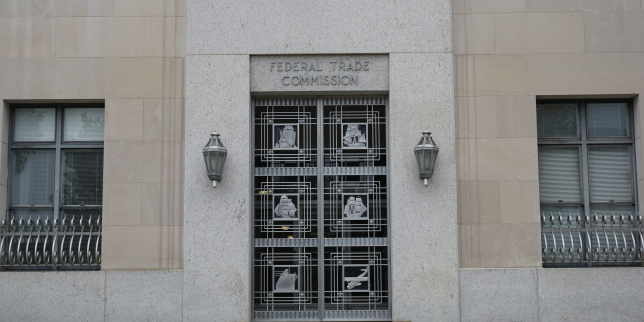
- Restrictive Covenants & Trade SecretsApril 24, 2024
FTC Final Rule Banning Most Non-Competes Passes – What You Need to Know
On April 23, 2024, the Federal Trade Commission (“FTC”) conducted a special Open Commission Meeting to vote on a Final Rule (the “Rule”) banning most non-compete clauses as an “unfair method of competition.” By a vote of 3-2, the Rule was approved for publication in the Federal Register. The Rule becomes effective 120 Days from Publication in the Federal Register (the “Effective Date”). Here is what you need to know: What clauses are impacted by the Rule? The Rule defines a prohibited “non-compete clause” to include any contract term, workplace policy, or term or condition of employment, written or oral, that prohibits a worker from, penalizes a worker for, or functions to prevent a worker from seeking work, accepting work, or operating a business after prior employment ends. Other types of post-employment covenants (e.g., non-solicitation) could be attacked under the Rule if they have the effect of a non-compete. What employers and workers are impacted by the Rule? Generally, the Rule will impact all employers other than certain banks, savings and loan companies, non-profits, and common carriers, which are not subject to the FTC’s authority by law. The Rule applies to paid and unpaid workers, including employees, independent contractors, externs, interns, volunteers, apprentices, and sole proprietors. The Rule does not apply to the franchisee in a franchisor relationship. What conduct is prohibited by the Rule? The Rule prohibits employers from (1) entering into or attempting to enter into a non-compete clause, (2) enforcing or attempting to enforce a non-compete clause, and (3) representing that a worker is subject to a non-compete clause. The Rule applies to non-compete clauses entered before the Effective Date unless the non-compete clause is with a “Senior Executive”. The exception for “Senior Executives”: Unlike the proposed rule, the final version of the Rule provides an exception for non-compete clauses entered into with Senior Executives before the Effective Date. A Senior Executive means a worker receiving total annual compensation (excluding fringe benefits) of at least $151,164 in the preceding year, and was “in a policy-making position”—meaning the entity’s president, CEO, officer, or other person who has final authority to make policy decisions that control significant aspects of the entity (and not just a subsidiary or affiliate). The exception for “bona fide sales of business”: The Rule does not apply to non-compete clauses entered into “pursuant to a bona fide sale of a business entity, of the person’s ownership interest in a business entity, or of all or substantially all of a business entity’s operating assets.” The Rule does not limit this exception to only those holding at least 25% ownership interest in a business, like the proposed rule did. What does the Rule require employers to do now? On or before the Effective Date (unless the Rule is enjoined), employers are required to provide all workers with impacted non-compete clauses clear and conspicuous notice to the worker that the non-compete clause will not be, and cannot be, legally enforced against the worker. The notice must be provided in writing by hand deliver, mail, email or text message, and group communications are permissible. The Rule provides model notice language. What happens to existing lawsuits? The Rule does not apply to causes of action related to non-compete clauses that have accrued prior to the Effective Date. Put another way, the Rule likely will not change cases involving alleged violations of non-compete clauses occurring before the Effective Date. What do we expect next? Lawsuits challenging the Rule were filed within hours of the vote, including a lawsuit filed in the United States District Court for the Eastern District of Texas by the U.S. Chamber of Commerce. Given the scope of the Rule and its impact, it is anticipated that at least some courts will enjoin the Rule from taking effect until the U.S. Supreme Court has an opportunity to weigh in on the Rule’s validity and constitutionality. Is there still risk when hiring a competitor’s employees? Yes. The Rule does not take effect for months and may never take effect if the court challenges are successful. The Rule also does not apply to conduct occurring before the Effective Date, so actions taken now still have risk. More importantly, the Rule generally does not eliminate all risk to hiring employees from a competitor because even without non-compete clauses, employers can bring suit based on other contract terms (non-solicitation and non-disclosure clauses), trade secrets, and legal theories to protect their interests when former employees go to work for a competitors. Contact your Polsinelli attorney if you need guidance reviewing your non-compete agreements or strategy around restrictive covenants.
- Restrictive Covenants & Trade SecretsApril 18, 2024
Vote Scheduled for FTC Final Rule Banning Non-Competes – What You Need to Know
FTC Final Rules Banning Non-Competes Vote Next Tuesday As you know, last year, the FTC issued a proposed rule banning virtually all non-compete agreements (which does not include non-solicitation agreements, confidentiality agreements and the like). Yesterday, the FTC announced that a special Open Commission Meeting will be held virtually on Tuesday, April 23, 2024, at 2 p.m. EDT at which time the FTC is expected to vote on a Final Rule. Here is what you need to know for now: When is the vote on the Final Rule to ban non-competes? Tuesday, April 23, 2024 at 2 p.m. EDT. The Open Commission Meeting will be available to view here. What is expected to happen? The consensus among Polsinelli’s Restrictive Covenant and Trade Secret Practice Group, other experts, and scholars is that the FTC will vote to implement a Final Rule substantially similar to the Proposed Rule. In short, that means that it will vote to ban essentially all non-competes with limited exceptions (some form of ownership in the entity being sold – the Proposed Rule had a 25% threshold). When will the Final Rule be effective? The Final Rule is expected to become effective 60 days after publication in the Federal Register. (The FTC has the ability to implement the Final Rule sooner if necessary due to an “emergency situation” but we do not anticipate that in this instance.) What can you do now? Understand that the vote will be Tuesday; that does not mean the Rule will be effective Tuesday. Understand that the Rule likely will not be effective until 60 days after publication in the Federal Register and that we anticipate that there will be litigation seeking to block the Rule from going into effect, as discussed below. Evaluate your use of non-competes, and develop strategies for navigating the uncertainties of the time. Strategically and thoroughly analyze your trade secret protocols and protections. What do we expect next? Experts and scholars (and we) fully expect the Final Rule will be challenged in Federal Court with the challenging parties seeking immediate injunctive relief preventing implementation of the Final Rule, based upon the FTC exceeding its authority. Contact your Polsinelli attorney if you need guidance reviewing your non-compete agreements or strategy around restrictive covenants.
- Restrictive Covenants & Trade SecretsJanuary 30, 2024
Update on the Status of Non-Competes and What to Expect in 2024
On January 9, 2024, Shareholders in our Restrictive Covenant and Trade Secret Practice Group conducted a webinar covering “What Employers Need to Know About Non-Competes in 2024.” A recording of that webinar is available here. Below, the Team addresses some of the additional questions concerning the status of the FTC Proposed Rule, anticipated challenges to the Proposed Rule, FTC Lawsuits Against Employers for Imposing Non-Competes, Exceptions to Non-Compete Bans, Employee “Theft,” and Hiring Employees Subject to Non-Competes that were posed during the webinar. 1. The Status of the FTC Proposed Rule Banning Non-Competes The comment period ended on April 19, 2023, and we are now waiting on the FTC to issue a Final Rule. There is no deadline for the FTC to issue a Final Rule, though the general consensus is that the FTC will issue a Final Rule in April 2024. No one knows with certainty what the Final Rule will say, and the FTC is not restricted by the proposed rule or comments. It can adopt the proposed rule as is, modify, or even implement an entirely different rule without any additional rulemaking process. The FTC’s advocacy for a full ban since the comment period closed suggests it does not intend to change course, and employers would be wise to prepare for a Final Rule substantially similar to the proposed one. 2. Anticipated Challenges to the FTC Final Rule Regardless of what the Final Rule looks like, it will be immediately challenged in court (similar to the vaccine mandate challenges), with the Final Rule taking effect unless and until it is enjoined. The prevailing opinion is that there are very strong arguments to attack the FTC’s authority to issue the rule, primarily that the FTC exceeded its rule-making authority. Regardless of the ultimate success of the legal challenges, it will still generate uncertainty in the interim and give rise to public policy arguments against enforcement in current disputes (which some judges may find persuasive). Moreover, the rulemaking effort is merely another example of growing hostility towards non-compete covenants, and we will likely see Congress and states, including New York, revisit this issue. 3. FTC Lawsuits Against Employers for Imposing Non-Competes During 2023, even without the authority of a Final Rule, the FTC filed three complaints against employers over their use of non-competes. The claims alleged the employers imposed non-competes on employees in an unfair manner that tended to harm competition, consumers, and workers, thus violating antitrust laws. The Complaints were unrelated to any enforcement efforts by the employers at issue, but the FTC argued that the noncompetition agreements at issue had the effect of prohibiting workers in the affected industries from earning higher wages and were therefore unfair labor practices. This ties into the cooperation agreements entered into between the FTC, the NLRA and DOL in 2023, which make it more likely that employers’ non-competes may come under scrutiny as a result of an unrelated audit or investigation. 4. Exceptions to Non-Compete Bans in the Proposed Final Rule The FTC Proposed Rule is very broad and applies to all kinds of paid and unpaid workers, while some state laws are more narrow (bans for employees only) or are less clear in whether they are intended to apply to other categories of workers beyond employees. Similarly, the FTC Proposed Rule did not contain a carve out for highly compensated workers. Other state laws, like Illinois, Colorado, Maryland, Maine, Nevada, Oregon, Rhode Island, Virginia, Washington and Washington D.C., allow for non-competes if an employee makes above a certain salary threshold. It is best practice to evaluate each case based on its facts and review the applicable law, since there is no one-size-fits-all approach to non-compete guidance at this time. 5. Employee “Theft” Most of the laws voiding non-competes do not impact the enforceability of non-solicitation clauses, though some do (e.g., Colorado and Illinois). However, with the federal government’s recent focus on antitrust, non-solicitation clauses purporting to prohibit the hiring of employees by a competitor or business partner may come under closer scrutiny. Employers should be wary of any agreement that could be interpreted as restricting the ability to hire employees. 6. Hiring Employees Subject to Non-Competes Even with the changes in the law, hiring employees subject to non-competes can still be risky. Generally, non-competes are not per se invalid, and lawsuits to enforce non-competes can be made even if the covenant in question is likely to ultimately be found overbroad or unenforceable. Unfortunately, the path to proving a non-compete is unenforceable in court, and arbitration is disruptive, time-consuming and expensive. Polsinelli attorneys are available to help you evaluate the facts of each particular situation on a case-by-case basis to develop a risk management strategy for hiring and retaining employees.
- Restrictive Covenants & Trade SecretsFebruary 09, 2023
More Signs of Trouble for Non-Compete Agreements
Non-compete agreements have had a rough 2023, most recently with President Biden specifically calling them out on Tuesday evening during his State of the Union and emphasizing his Administration’s opposition to them. This, of course, is on the heels of the FTC’s recently announced proposed rule banning most non-compete agreements, as we recently reported. Congress now is also getting in on the action to ban non-compete agreements. Last week, a bi-partisan group of legislators reintroduced the Workforce Mobility Act (the “Act”) which seeks to ban non-compete agreements with limited exceptions. The Act is similar to the FTC’s proposed rule but does have key differences. The Act, which refers to non-compete agreements as “blunt instruments that crudely protect employer’s interests”, defines a non-compete agreement as: an agreement, entered into after the date of enactment of this Act between a person and an individual performing work for the person that restricts such individual, after the working relationship between the person and individual terminates, from performing— (A) any work for another person for a specified period of time; (B) any work in a specified geographical area; or (C) any work for another person that is similar to such individual’s work for the person that is a party to such agreement. Any agreements that meet the above definition will have “no force or effect” except for specific instances involving (1) the sale of goodwill or ownership interests in a business, including certain severance agreements for Senior Executives, or (2) partnership dissolutions or disassociations. Otherwise, any non-compete agreements will be unenforceable—and even expose employers to potential liability for attempting to enter into any such agreements. Other key takeaways from the proposed Act include: Under its language, the Act should only apply prospectively. As such, non-compete agreements already entered into could survive potential enactment of the Act. If the Act becomes law and the FTC’s proposed rule is implemented, there will be a conflict concerning the enforceability of existing non-competes – under the FTC’s proposed rule, existing non-competes would need to be rescinded within 180 days after publication of the final rule. An additional conflict between the Act and the FTC’s proposed rule concerns enforceability of non-competes for Senior Executives and high earners. While the Act would exempt Senior Executives who sign particular severance agreements, the FTC’s proposed rule does not contain that exemption. The Act would not ban non-solicitation agreements and even promotes the use of non-disclosure agreements covering trade secrets as reasonable alternatives to protect competitive information. The Act would require the Federal Trade Commission (“FTC”) and Department of Labor (“DOL”) to assist with enforcement of the Act which would be tricky if the FTC’s proposed rule is implemented, as it differs in ways from the proposed Act. The Act would allow for a private right of action for “an individual who is aggrieved by a violation.” If successful, such individual would be entitled to actual damages and reasonable costs and attorney fees. The reintroduction of the Workforce Mobility Act, and the national trend against non-compete agreements reinforces the need for employers to safeguard their competitive information with other measures. Just last month we provided guidance on best practices that can be implemented by employers to ensure their information is protected. We will continue to follow developments surrounding the proposed legislation and are prepared to assist employers with questions surrounding immediate actions that can be taken to respond to possible bans on non-competes.
- Restrictive Covenants & Trade SecretsJanuary 25, 2023
FTC Proposed Noncompete Ban Reinforces Need to Protect Competitive Information Now
As we recently reported, on January 5, 2023, the Federal Trade Commission proposed a rule banning the use of non-compete covenants in nearly all circumstances. The FTC is seeking comments on the proposed rule until March 20, 2023. Even if the proposed rule or a variation of it is ultimately implemented, it will likely face a multitude of legal challenges. To learn more about this proposed rule, please see our recent webinar recording here. Note: Guests will have to register, then can click on the View Content link. A new browser window will pop up with the recording. Nevertheless, in the immediate aftermath of this proposed rule, employers are asking, “what now?” In recent years, we forewarned of the impending threat to the use of non-compete covenants and emphasized the need for employers to protect their confidential information through other means. Regardless of the outcome of the proposed rule, the FTC’s action is a reminder that non-compete covenants are under ever increasing scrutiny and criticism, and employers must consider alternative ways to protect their confidential and trade secret information. Over a year and a half ago, we encouraged employers “to revisit the protections they have in place to protect trade secret and confidential information and their investments in employee training.” Especially in light of the FTC’s announcement, we reiterate that employers would be wise to revisit those protections and engage in a thorough three-step process to evaluate, identify and protect their confidential and competitive information. The steps include: 1. Conducting a comprehensive review and identification of the company’s competitive, confidential and trade secret information; 2. Identifying who has access to that information; and 3. Evaluating how to best protect that information (potentially without the use of non-competes). While this auditing process takes time and energy and is not a one size fits all solution, it is an investment in the protection of competitive information that will pay dividends if the need to protect that information through litigation ever arises. Generally, some of the safeguards the employer can use to protect this information include: Ensuring access to shared files is on a need-to-access basis only; Limiting access to client information to only those clients whom a particular employee services; Limiting access to research and development information to only those individuals in research and development who are working on the particular project; Republishing policies forbidding the use of personal email accounts for business purposes; Implementing safeguards for the electronic mailing and sharing of confidential documents; Having employees acknowledge/reaffirm their understanding that company competitive information is owned by the company and only certain people are allowed access; Utilizing non-solicitation covenants in appropriate circumstances. Identifying and ensuring adequate protection for competitive information is paramount, given the ongoing threats to the viability of non-compete agreements – both at the state and federal levels. Polsinelli attorneys can assist employers with the evaluation, identification and protection process described above by following our “TS 360” program. We also will continue to follow developments surrounding the proposed rule and are prepared to assist employers with questions surrounding immediate actions that can be taken to respond to the possible ban on non-competes.
- Restrictive Covenants & Trade SecretsAugust 18, 2020
Are You Prepared for the Trade Secret Litigation Boom?
It seems everything in the world right now somehow revolves around COVID-19. Stay-at-home orders; the debate over students returning to the classroom; “essential” versus “non-essential” workers; college and professional sports; and the list goes on. In the legal world, one coming boom caused by the pandemic should not be overlooked: trade secret litigation. Consider how much of the workforce is working remotely. Recent statistics show that in the past few months alone, even after many businesses have begun reopening, 70% of the workforce reported working remotely at least one day a week, and 59% reported working remotely more than half of the week. Some businesses have planned for their workforce to work remotely through the end of year and beyond, even permanently. What does this mean in terms of trade secret protection for employers? Just think of all information that has been shared electronically as a result of the new “work from home” normal. How many shared drives have been accessed remotely? How many documents have been sent to and downloaded in home offices? How many employees have accessed their employer’s data using a shared home or personal device? And in some instances, the uncertainty caused during the initial days of the pandemic caused companies to roll out programs and grant access to their information under rushed conditions, with concerns for privacy taking a backseat to the urgency of ensuring continuity of operations using a remote workforce. As if that is not enough reason for concern regarding the protection of trade secrets, consider also how many remote workers had access to trade secrets but have since been laid off or furloughed? What precautions, if any, were taken to ensure trade secrets and confidential information were guarded from theft by these former and furloughed employees? If a laid off employee had access to their employer’s competitive information, what will prevent them from opening their own business and competing directly with their former employer, using its methods and client information? To the extent they have not already done so, employers should immediately: Ensure access to shared files is on a need-to-access basis only; Limit access to client information to only those clients whom a particular employee services; Limit access to research and development information to only those individuals in research and development who are working on the particular project; Republish policies forbidding use of personal email accounts for business purposes; Implement safeguards for the electronic mailing and sharing of confidential documents; Have employees acknowledge/reaffirm their understanding that company competitive information is owned by the company and only certain people are allowed access; Ensure computer systems are only accessed through private, reliable and secure WiFi networks. A trade secret litigation boom is coming – are you ready?
- May 28, 2020
Non-Compete Agreements and COVID-19
Many employers currently are reviewing the requirements they must meet when re-opening their businesses. Employers should be careful not to overlook another critical issue as they head back into their workplaces – the enforceability of restrictive covenants against employees they laid off or who quit because of a significant change in pay structure. Courts have always been reluctant to enforce overbroad restrictive covenants such as those prohibiting the solicitation of customers with whom the employee had little or no contact. In light of COVID-19, courts may be even more reluctant to enforce even apparently reasonable restrictions. Consider, for example, a salesperson who is subject to a non-solicitation covenant but who was laid off due to the COVID-19 economic downturn, or an R&D employee subject to a non-compete covenant who quit when her pay was cut significantly. Will a court still enforce even reasonable restrictive covenants under these circumstances? Or, will a court be more inclined to tip to the side of leniency with COVID-19 as a backdrop? Virtually all states require employers to prove the same basic elements in order to enforce a restrictive covenant: (1) A substantial likelihood of success on the merits; (2) The employer has an inadequate remedy available at law and will suffer irreparable harm if the employee is not restrained; (3) Enforcement of the restrictive covenant at issue and under the circumstances is not against the public policy of the state; and (4) The balancing of equities between the parties weighs in favor of enforcement. In the typical pre-COVID-19 case, success mainly hinged on the strength of elements (1) and (2). Element (1) centers around the protectability of the information at issue, requiring proof the employer actually shared confidential/trade secret information with the employee and the employer took specific measures to keep the information confidential. Element (2) requires that the employer prove in a detailed and thoughtful way that, absent a temporary restraining order or injunction, the employer will suffer irreparable harm for which money is an insufficient remedy (e.g., good will impacted, reputation harmed, domino effect of clients moving their business). After COVID-19, however, courts may pay more attention to elements (3) and (4). Even if the court finds that the employer has protectable information consistent with elements (1) and (2), the court may decide public policy favors an employee who, through no fault of her own, lost her job or had her pay reduced due to a reduction in force caused by COVID-19. These common scenarios highlight once again the importance of employers (1) resisting the urge to overreach when drafting their agreements, (2) ensuring they are truly focused on “protectable information,” and (3) avoiding unreasonably restricting employees. In considering whether to enforce a restrictive covenant against a former employee at this time, employers would be wise to: Review applicable state law to determine the enforceability of their restrictive covenants; Analyze the “reasonableness” of their restrictions in light of the applicable state law, including the temporal and geographic scope of the restrictions; Thoughtfully assess and evaluate the real trade secret/confidential information to which the employee actually had access; Itemize the trade secrets/confidential information to which the employee had access and rank that information in the order of importance to the company with a brief explanation of why it is important; Consider whether there is a real risk the employee may use the trade secrets/confidential information to the detriment of the company; Identify whether COVID-19 played any role in the employee leaving employment and analyze how that might impact a court’s decision; Weigh the likelihood of success in enforcing a restrictive covenant simply with the backdrop of being in a current or post COVID-19 world; Determine and document the irreparable harm which could result from the employee violating the restrictive covenant. COVID-19 undoubtedly has had severe consequences for employers and employees. One which could easily be overlooked but should be evaluated is the protectability of employers’ trade secrets and confidential information.
- Restrictive Covenants & Trade SecretsAugust 22, 2018
Identifying Trade Secrets: The First Step to Protecting Employers’ Competitive Advantage
Employers should be able to definitively identify their “trade secrets” and non-public information. Indeed, employers may miss out on opportunities for relief from misappropriation of their trade secrets by former employees and competitors if they do not take time to specifically identify and understand their trade secrets. Before an employer can effectively protect against the theft, disclosure, and misuse of its trade secrets, it must first clearly understand what is—and what is not—a trade secret. Once the trade secrets are identified, employers should take careful steps to protect trade secrets and confidential information from competitors, as well as departing employees. What are trade secrets? To begin, anything that gives an employer a competitive advantage may be a trade secret. Trade secrets are a subset of an employer’s confidential information, and can include information about customers or clients, business methods, pricing data, machinery, marketing strategies, techniques, formulas, processes, or virtually anything else that is secret, unique, and valuable to the employer. Considered this way, every employer inevitably has some potential trade secrets. Another way to recognize possible trade secrets is by evaluating who has access to the information. For example, if the information is subject to measures to maintain its secrecy, such as limited physical or electronic access, it may be a trade secret. Alternatively, if the employer uses contracts with its employees and business partners to protect the confidentiality and limit the disclosure of the information, said information may very well be a trade secret, too. What qualifies as a trade secret? To qualify as a trade secret, the information must generally 1) be subject to measures to maintain its secrecy and 2) derive independent value from being secret. If the trade secret is not sufficiently protected or becomes public -- even inadvertently -- it could lose its status as a trade secret, decreasing its worth to the employer. But an employer cannot realistically be expected to adequately protect its trade secrets if it does not first know what it must protect. That is why it is so important for employers to regularly audit their trade secrets and update their protective measures, as needed. Employer takeaways Departing employees with access to trade secrets pose a significant threat to an employer’s trade secret security, thus necessitating a consistently-enforced protocol to off-board those employees and ensure compliance with any continuing post-employment obligations owed to the employer. However, upon discovering that a departed employee may be misappropriating trade secrets, courts expect swift action from the employer to protect its assets—including, early, specific identification of exactly what the employer considers as its stolen trade secrets. With proper planning, including routine auditing of its trade secrets and protective measures, an employer can position itself for greater success if it chooses to pursue relief for the theft in court. Employers with questions regarding trade secret identification or protection should consult with competent counsel.
- Restrictive Covenants & Trade SecretsDecember 04, 2017
Five Strategies for Protecting Trade Secrets
In a post-Defend Trade Secrets Act world, employers have a host of civil remedies available to them for the misappropriation of trade secrets under both state and federal law. To obtain relief, an employer must establish that the information it claims is subject to trade secret protection is, in fact, protected as confidential and secret. Below we outline five actions an employer might consider to demonstrate it has taken the necessary measures to protect the secrecy of its confidential information. Written agreements with employees who have access to trade secrets.These agreements may contain confidentiality, non-disclosure, non-solicitation, or non-competition provisions. To be effective, it is critical that such agreements define clearly what constitutes “confidential information,” and include a clause affirmatively requiring the return of such “confidential information” upon the termination or resignation of the employee. Written policies governing employee conduct.Employers should set forth clear rules for marking and maintaining confidential information, such as written instructions related to copying and sharing of confidential information. Employers can also include restrictions on the sharing or disclosure of confidential information in employee handbooks or other policies that are shared with all employees. Limiting employee access to trade secrets.This may include limiting physical access to documents stored in hard copy, by, for example, limiting locations where the confidential information is maintained, locking those locations, and tracking individuals accessing the information. Employers should also take care to protect electronically-stored information by, for example, employing password protection on documents and databases containing confidential information, restricting access to such documents on external devices, and implementing security monitoring measures. Limiting outsiders’ access. Similarly, employers should limit outsider access to areas housing confidential physical documents and devices with access to electronically stored information. Depending on the information, this may include the use of security guards or cameras, perimeter fencing, visitor badges with log in and out procedures, and security card access to certain areas. Controls on public dissemination.Employers may consider designating an employee to review and approve publicly disseminated information, including publications, presentations, promotional materials, and website content to ensure trade secret information is not inadvertently disclosed. Employers should also carefully evaluate the scope of information shared in meetings with potential partners or customers, and may further consider requiring meeting participants to enter into non-disclosure agreements if confidential information must necessarily be shared. Employers should remember that any security measures should be regularly monitored, audited, and updated to maintain their effectiveness. Efforts to maintain these procedures may pay dividends should the employer have to pursue a former employee for trade secret theft.