
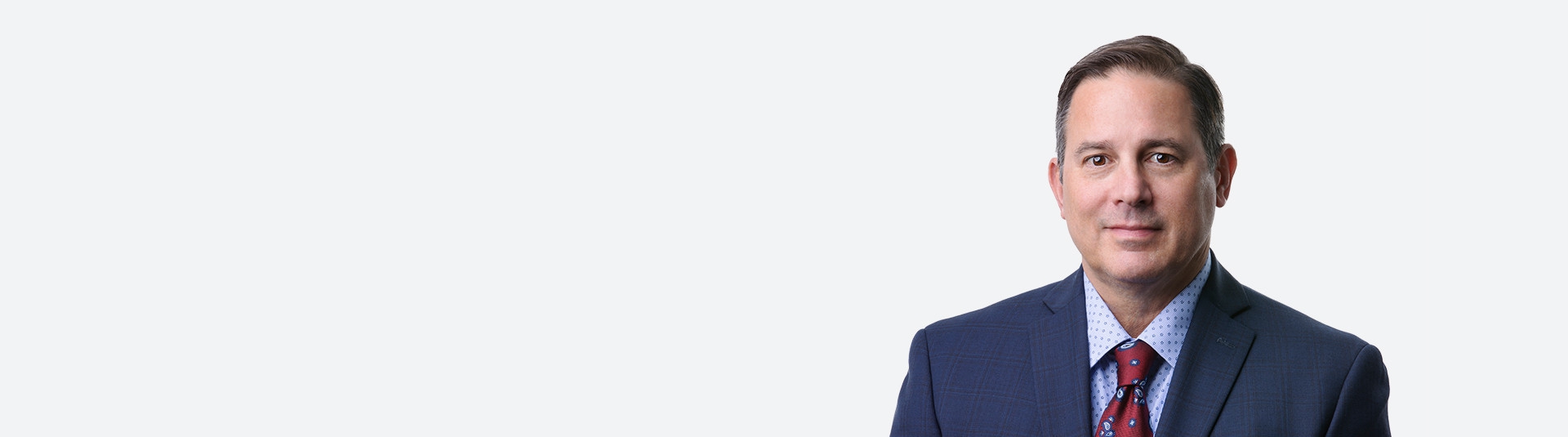
Michael Gennett is a health care regulatory attorney with 25 years of experience representing health care providers, and 16 of those years as a health care law specialist certified by the Florida Bar. He focuses his practice on state licensing, Medicare and Medicaid compliance, HIPAA and other regulatory issues. He represents health care clinicians and companies, including medical practices, medical equipment companies, pharmacies and home health agencies. Michael has successfully defended health care providers in Medicare and Medicaid overpayment appeals, investigations and other program integrity efforts by government contractors. In addition, he has worked on False Claims Act whistleblower cases and data breaches. He counsels clients on a variety of business issues, including:
- Drafting contractual arrangements to meet client business needs
- Defending licensees against state prosecutions
- Mergers and acquisitions
- Fraud and abuse compliance
- HIPAA privacy and security regulations
- Regulated state law requirements
Michael served as a past chair of The Florida Bar’s Health Law Certification Committee, a board that oversees the examination process for certifying attorneys as health law specialists. He is currently a member of The Florida Bar Health Law Executive Council, and is Chair of the Health Law Continuing Legal Education Committee.
Education
- St. Thomas University School of Law (J.D., 1996)
- Florida State University (B.S., 1985)
Bar Admission
- Florida, 1996
Court Admissions
- U.S. District Court, Southern District of Florida
Professional Affiliations
- The Florida Bar, Health Law Section
- Secretary
- Executive Council and CLE Section Chair
- Ann Storck Center, Board Member
- Florida Association of Medical Equipment Services, Board Member
- American Health Lawyers Association, Member
- Special Olympics Miami-Dade, Executive Committee, Board Member
- Victory Living Programs, Board Member
Recognition
- Ranked in Chambers USA: America’s Leading Lawyers for Business, Healthcare, Florida, 2024-2026
- Board Certified in Health Law since 2004, The Florida Bar Board of Legal Specialization and Education
- Selected for inclusion in Best Lawyers in America® for:
- Administrative / Regulatory Law, 2025
- Health Care Law, 2013-2027
- Chair of the Florida Bar Health Law Section Mentorship Program
- Speaker at Zone Program Integrity Contract Issues, 2017 Home Care Association of Florida Annual Conference, Orlando, Florida
- South Florida Business Journal, Recognized as a “Heavy Hitter in Health Care”
- Speaker at Federal Self-Referral Laws, Florida Bar CLE on Advanced Topics in Healthcare Law, March 2017, Orlando, Florida