
Polsinelli at Work Blog
- Government ContractsAugust 20, 2026
The EEOC’s Recalibration: How the Agency's New Playbook Reshapes Employer Risk
Key Takeaways: The EEOC's new National Enforcement Plan reinforces a broader federal shift away from expansive disparate impact theories and toward claims involving intentional discrimination and disparate treatment. The EEOC intends to leverage recent Supreme Court decisions—including Ames, Muldrow, Bostock, and Groff—to shape future Title VII enforcement. The NEP identifies employment practices involving diversity, equity, inclusion, and belonging (DEIB) initiatives as a potential area of enforcement focus, particularly where such programs may influence hiring, promotion, or other employment opportunities based on protected characteristics. On June 4, 2026, the EEOC adopted a new National Enforcement Plan (NEP) that signals a shift in agency litigation priorities. The plan is another indication of a broader change in the federal government's approach to employment discrimination enforcement—away from expansive disparate impact theories and toward claims involving intentional discrimination. As we recently discussed, DOJ's Office of Legal Counsel has likewise concluded that the EEOC's existing disparate impact guidelines are unconstitutional. A Shift Toward Intentional Discrimination Perhaps the most consequential aspect of the new NEP is its emphasis on disparate treatment claims. The shift is significant because the NEP is intended to guide how the EEOC prioritizes its enforcement resources, suggesting that the Commission may direct greater investigative and litigation attention toward intentional discrimination theories and away from disparate impact theories based primarily on statistical disparities. Disparate treatment claims involve alleged intentional discrimination against an individual. That contrasts with disparate impact claims, which focus on facially neutral policies and procedures that allegedly have a disparate impact on individuals with protected characteristics. The NEP therefore suggests fewer federal enforcement actions centered on statistical disparities alone and greater scrutiny of employment decisions involving differential treatment based on protected characteristics. The NEP also identifies several categories for focused enforcement, including repeated, overt, or facially discriminatory employment policies and programs; intentional discrimination arising from broad-based employment practices; cases implicating recent Supreme Court decisions or unresolved questions of statutory interpretation; matters affecting vulnerable workers; and certain issues involving religious organizations and employers. Supreme Court Decisions Take Center Stage The NEP also highlights several recent Supreme Court decisions that will shape future enforcement. Among them is Ames v. Ohio Department of Youth Services, which rejected a heightened evidentiary burden for majority-group plaintiffs asserting Title VII claims. The agency likewise identified Muldrow v. City of St. Louis, which lowered the bar for actionable employment decisions under Title VII by requiring an employee to show only some harm to a term or condition of employment, and Groff v. DeJoy, which looked at when an employer faces an undue hardship in accommodating employees’ sincerely held religious beliefs and practices. The EEOC also indicated it will continue to examine how to implement Bostock v. Clayton County, which held that Title VII protects against discrimination based on sexual orientation and gender identity. Collectively, these decisions shed light on the range of workplace disputes likely to receive EEOC attention. Employers should expect the Commission to pursue litigation aimed at defining the contours of these evolving standards. That increased focus on intentional disparate treatment is particularly significant for employers' DEIB-related practices. The NEP identifies such practices as an area of enforcement interest, particularly where protected characteristics factor into employment decisions. Consistent with the EEOC's emphasis on disparate treatment claims, the agency indicated it will continue to scrutinize programs and policies that consider protected characteristics in employment decisions. What Employers Should Do Now Taken together, these priorities suggest a reallocation of EEOC enforcement resources away from expansive disparate impact theories and toward intentional discrimination theories and cases the Commission views as capable of shaping broader legal standards. At the same time, employers should not interpret the federal shift as eliminating disparate impact risk altogether. Private Title VII claims remain available, and state and local law may impose separate or more expansive disparate impact requirements. Employers may consider reviewing DEIB-related initiatives, and evaluating workplace policies in light of the NEP. For more information about this evolving legal trend, contact your Polsinelli attorney.
- Government ContractsApril 08, 2026
Where Identity Meets Precedent: The EEOC Addresses Bathroom and Locker Room Access Under Title VII
Key Highlights The Equal Employment Opportunity Commission has held Title VII permits federal agencies to maintain single-sex bathrooms/locker rooms and exclude transgender employees from opposite-sex facilities. While the decision applies only to the federal sector, it provides a roadmap for how the EEOC may analyze bathroom/locker room issues post-Bostock. Six years after the Supreme Court’s 2020 decision in Bostock v. Clayton County reshaped Title VII, the EEOC has addressed an unanswered question from that decision: whether Title VII requires a federal agency to allow a transgender employee to use bathrooms and locker rooms consistent with the employee’s gender identity. Selina S. v. Daniel Driscoll, Secretary, Department of the Army, EEOC Appeal No. 2025003976 (Feb. 26, 2026). Inside the EEOC’s Holding The case involves a civilian employed by the U.S. Army who had used male-designated restrooms and locker rooms without issue. In 2025, the complainant informed management that he identified as a woman and requested access to female-designated facilities. The agency denied the request based on guidance requiring sex-based designation of “intimate spaces.” The EEOC framed the appeal as presenting an issue not “authoritatively addressed” — whether Title VII’s prohibition on discrimination “because of sex” extends to access to sex-designated bathrooms and locker rooms. The analysis relied heavily on Bostock, which held that firing (or refusing to hire) someone “simply for being . . . transgender” is discrimination “because of . . . sex” under Title VII. Bostock, however, left open the question of access to “bathrooms, locker rooms, or anything else of the kind.” Using that framing, the EEOC treated restroom and locker room access as a distinct issue. The EEOC concluded that Title VII permits federal agencies to maintain single-sex bathrooms and similar intimate spaces and to exclude employees from opposite-sex facilities. Exclusion from intimate spaces by itself, the Commission clarified, does not state a plausible Title VII claim. Applying what it characterized as an “equal treatment” approach, the EEOC reasoned that a policy separating bathrooms by biological sex does not constitute unlawful discrimination if applied equally to all employees, regardless of transgender status. According to the majority, men and women are not similarly situated in intimate spaces, and sex-based separation in those contexts reflects privacy interests and biological distinctions rather than discriminatory animus. Given the decision arises in the federal administrative context, judicial review is possible. Federal courts are not required to adopt the EEOC’s interpretation. We anticipate continued litigation in this area is likely, given Bostock’s unsettled scope. Why This Matters While the decision does not apply to private-sector employers, it provides insight into how the EEOC may approach facility-access claims. The decision distinguishes between adverse employment actions based on transgender status — squarely addressed in Bostock— and access to sex-designated intimate spaces, which Bostock did not resolve. Additionally, the ruling does not provide a safe harbor for employers’ decisions concerning employees’ access to intimate spaces. Federal courts remain divided on Bostock’s reach, and many state and local laws expressly require that employees be permitted to access facilities consistent with their gender identity. Employers operating across jurisdictions might consider evaluating whether a uniform nationwide policy creates compliance risk in particular states or municipalities. Workplace safety guidance and other regulatory considerations may also intersect with facility-access policies. For federal contractors and subcontractors, the practical impact may be more immediate. Contractors often operate on federal property and alongside federal employees. Contractors operating on federal property may face operational and employee-relations challenges if agency rules governing facility access differ from internal policies. Contractors might consider reviewing site-specific access protocols, assessing alignment between employee handbooks and federal worksite rules and reviewing supervisor training on addressing related employee concerns. Looking Ahead The contours of Title VII’s application to bathroom and locker room access remain unsettled. Continued litigation is likely, and further judicial clarification may follow. Polsinelli attorneys will continue to monitor developments in light of evolving federal, state and local requirements. Employers with questions about the EEOC’s decision or compliance considerations should consult their Polsinelli Labor and Employment attorney.
- Hiring, Performance Management, Investigations & TerminationsMarch 27, 2026
Washington State Joins Growing List of States Banning Noncompetes
Key Highlights Washington to Ban Most Noncompetes: ESHB 1155 renders nearly all noncompetition agreements void and unenforceable effective June 30, 2027. The law provides an expanded definition that targets both traditional noncompetes and contractual workarounds, and it will apply to all covered agreements, not just those executed after the effective date. Narrow Path for Permissible Restrictions: Employers may still use limited nonsolicitation, confidentiality and trade secret protections, but these must be carefully tailored to comply with the law’s stricter standards. Immediate Action Required to Mitigate Risk: Employers should begin auditing agreements, revising templates and preparing required notices now, as the law introduces new compliance obligations and significant litigation exposure for violations. Governor Ferguson signed ESHB 1155 on March 23, banning the use of noncompete agreements between businesses and workers. With this new law, Washington State joins the growing list of states prohibiting or sharply limiting the use of noncompetition agreements. The Ban The law makes all noncompetition agreements void and unenforceable once the law takes effect, which is expected to be June 30, 2027, regardless of when they were signed. The bill also broadens what qualifies as a noncompetition covenant. In addition to traditional noncompetes, the definition includes certain agreements between performers and venues or intermediaries that restrict lawful performance, as well as provisions requiring a worker to return, repay or forfeit compensation or benefits because the worker engages in a lawful business or profession. In practical terms, this means courts will closely review compensation and benefits arrangements for provisions that may function as a penalty on post-employment competition. For example, clawback terms, forfeiture-for-competition provisions in bonus or equity plans, retention payments that must be repaid only if the worker joins or starts a competing business, and similar disincentives may now be treated as noncompetition covenants if they are triggered by the worker’s decision to engage in lawful competitive work. Permissible Activity Some restrictions remain permissible: Nonsolicitation clauses are permitted but must be “narrowly construed.” Such clauses may bar solicitation of coworkers or customers the worker developed a relationship with for up to 18 months. However, nonsolicitation clauses cannot restrict a former employee accepting or doing business with customers. The sale of business carveout from the previous law remains intact. Specifically, a noncompetition covenant does not include one “entered into by a person purchasing or selling the goodwill of a business or otherwise acquiring or disposing of an ownership interest,” but only if the signer is dealing with an ownership interest representing 1% or more of the business. Confidentiality, trade secret, invention‑assignment provisions, certain sale‑of‑business covenants and limited educational‑expense repayment clauses remain valid. The Notice Requirement For employers that currently use noncompetes, notice is not just a formality — it’s a central compliance obligation. By October 1, 2027, employers must make reasonable efforts to provide written notice to all current and former employees and independent contractors whose noncompetition covenants would otherwise still be in effect, advising them that those covenants are void and unenforceable. The bill does not define “reasonable efforts” to notify employees. To avoid the risks associated with that uncertainty, employers might consider documenting efforts to locate and contact workers, and immediately start identifying contracts that might be subject to this requirement. What Employers Using Noncompetes Can Do Now Review of Existing Agreements: Review employment agreements, contractor forms, separation agreements, equity documents, bonus plans, clawback provisions and other compensation-related terms for provisions that may violate the new law. Review nonsolicitation clauses carefully to ensure they do not run afoul of new restrictions to create an unlawful noncompetition restriction. Assess any repayment or forfeiture provisions that could penalize a worker for engaging in a lawful occupation. Evaluate Enforcement Plans:Evaluate offboarding documents and talking points for language that could be inconsistent with the new statute. Develop training for HR, recruiting and in-house legal teams based on the law and any revisions to the company’s documents. Develop a Notice Plan:Identify affected current and former workers, confirm contact information and document reasonable efforts to deliver written notice. Enforcement and Litigation Exposure The bill authorizes enforcement by the attorney general and private suits by aggrieved persons. If a court or arbitrator finds a violation, the violator must pay the greater of actual damages or a $5,000 statutory penalty, plus attorneys’ fees, expenses and costs. Taken together, these remedies significantly increase litigation risk, particularly for employers using standardized agreements across large workforces or a contractor population. Importantly, the law’s new definitions, rules, remedies and displacement provision, which makes this chapter the controlling framework over conflicting state laws governing worker competition, apply to cases filed on or after June 30, 2027, even if the underlying conduct or agreement predates that date. Proceedings already pending before then continue under the prior version of the statute. Conclusion Employers can begin preparing for the effective date of the new legislation now by gathering agreements, reviewing templates and building a notice process ahead of the effective date. For guidance on noncompetes, nonsolicitation clauses or other restrictive covenant issues, contact your Polsinelli attorney.
- Class & Collective Actions, Wage & HourMarch 03, 2026
Turning Back Time: The DOL and NLRB Revive Trump-Era Classification Standards
Key Takeaways: DOL Moves to Reinstate Business-Friendly Independent Contractor Standard: The Department of Labor has proposed rescinding the 2024 independent contractor rule and returning to a more flexible “economic reality” test that emphasizes two core factors — control and opportunity for profit or loss — potentially narrowing federal misclassification exposure under the FLSA. NLRB Restores 2020 Joint Employer Rule: The NLRB has formally reinstated the Trump-era standard requiring “substantial direct and immediate control” for joint employer status, limiting liability based solely on indirect or reserved control and reducing bargaining and unfair labor practice exposure for many businesses. Despite the clocks moving forward this week, federal employer classification standards are turning back. The Department of Labor (DOL) and National Labor Relations Board (NLRB) have recently moved to restore Trump-era employment standards that reshape worker classification for businesses across industries. These developments mark a significant shift in federal labor policy with implications for employers navigating classification, franchising, staffing and gig-economy models. DOL Proposes Rescission of 2024 Independent Contractor Rule After abandoning the Biden administration’s 2024 independent contractor test, the DOL announced a proposed rule on Feb. 26, 2026 to replace its current enforcement scheme under the Fair Labor Standards Act (FLSA), which applied a six-factor “totality of the circumstances” economic realities analysis without assigning weight to any particular factor. Under the DOL’s proposal, the independent contractor standard will again be tested by the “economic reality,” focusing on whether an individual is dependent on an employer or in business for themselves. This signals a return to a more flexible, business-friendly analysis. DOL Wage and Hour Division Administrator Andrew Rogers stated: “Generally, if a worker is economically dependent on an employer for work, he or she is an employee. Generally, if a worker is in business for him or herself and isn't dependent on an employer for work, the worker is an independent contractor.” While the 2024 rule weighed six factors equally, the DOL’s proposal will apply a list of five non-exhaustive factors while elevating two to “core factors”: the nature and degree of control; and the worker’s opportunity for profit and loss. The others become less probative “guideposts”: skill required; permanence of the relationship; and integration into the employer’s production process. The intent is to look at the “actual practice” of the parties rather than what may be contractually or theoretically possible. In emphasizing control and opportunity for profit/loss, the DOL appears to be narrowing employers’ misclassification exposure under the FLSA, particularly in industries where workers exercise meaningful entrepreneurial discretion. Although this shift aligns more closely with Supreme Court and federal appellate precedent, employers should not assume that federal enforcement risk will disappear. Private plaintiffs’ attorneys are likely to continue pursuing collective and class actions, and state-law classification standards remain unaffected. Employers should review their current classification practices and prepare to update policies and training. NLRB Reinstates Trump-Era 2020 Joint Employer Standard The NLRB also formally reinstated the 2020 joint employer rule on Feb. 26 after a federal court vacated the Biden-era’s broader definition. Under the rule, joint employer status requires “substantial direct and immediate control” over one or more essential terms and conditions of employment such that it “meaningfully affects matters relating to the employment relationship.” Further, “substantial direct and immediate control” must have a “regular or continuous consequential effect” on employment terms, not control exercised only on a “sporadic, isolated, or de minimis basis.” Reserved or indirect control alone is generally insufficient. Reinstating the 2020 rule is expected to have an outsized impact on franchisors, staffing companies, private equity-backed platforms and businesses operating through layered contracting relationships. By requiring exercised or direct control, the rule will likely meaningfully limit federal bargaining obligations and unfair labor practice exposure tied to another entity’s workforce. Still, contractual language and day-to-day operational practices must align to avoid inadvertently triggering joint employer status. Employers should review current workforce relationships to assess potential obligations for bargaining and unfair labor practice exposure. Companies with pending NLRB matters or organizing activity should evaluate how the reinstated standard may affect strategy, particularly where joint employer allegations were previously asserted. Why This Matters Together, these developments signify the Trump administration’s employer-friendly approach to rulemaking and reflect a narrower federal interpretation of independent contractor and joint employer standards. While both rules may face continued legal scrutiny, employers should use this moment to proactively review independent contractor models, audit franchise and staffing arrangements, align operations with contractual intent and evaluate classification risks under relevant state standards. Polsinelli will continue to report on any DOL and NLRB updates related to these standards. Please contact your Polsinelli attorney for more information.
- Restrictive Covenants & Trade SecretsSeptember 18, 2025
Not Out of the Woods: FTC Enforcement Priority Keeps Non-Competes in Crosshairs for Certain Industries
Key Highlights End of nationwide ban efforts: The FTC has officially moved to dismiss its appeals and voted to vacate its proposed nationwide non-compete ban, signaling the end of its push for a universal prohibition. Shift to targeted enforcement: While dropping the broad ban, the FTC remains committed to scrutinizing non-competes on a case-by-case basis, particularly in industries like healthcare and staffing where such agreements are prevalent. Immediate employer impact: On Sept. 10, 2025, the FTC sent letters to large healthcare and staffing employers urging a review of non-competes and restrictive agreements, indicating an enforcement focus in those sectors, alongside a broader public inquiry open until Nov. 3, 2025. Guidance for compliance: Commissioner Meador outlined key factors that the FTC will consider when assessing non-competes, including wage and skill level, scope and duration, less restrictive alternatives and market power — making it essential for employers to review and refine their covenants to align with federal scrutiny and evolving state laws. On Sept. 5, 2025, the FTC moved to dismiss its appeals of injunctions blocking the enforcement of the non-compete ban it sought to implement nationwide last year. That same day, the FTC voted 3-1 to take steps to vacate the ban. These moves mark the end of the FTC’s efforts to implement a universal ban on non-competes, following a change in administration and FTC leadership. However, recent FTC actions suggest the agency remains focused on non-compete agreements, especially in the healthcare and staffing industries. Renewed scrutiny: Rather than pursuing a blanket ban, the FTC is pivoting to case-by-case enforcement and targeting covenants that it views as unfair or anticompetitive. On Sept. 10, 2025, the FTC sent letters to several large healthcare employers and staffing firms urging them to conduct a comprehensive review of their employment agreements — including any non-competes or other restrictive agreements — to ensure they are appropriately tailored and comply with the law. These letters suggest the FTC intends to initially direct its scrutiny of non-competes to the healthcare and staffing industries The FTC’s move parallels state-level action in places like Colorado, Texas and Pennsylvania, which have adopted stricter limits on non-competes in health care, as previously reported by Polsinelli. In addition, the FTC has also launched a public inquiry — open until Nov. 3, 2025 — through which the public may submit information that may be used to inform future enforcement actions. Importantly, this public inquiry is not limited to the healthcare or staffing industries, meaning the FTC’s scrutiny may expand to other sectors. FTC provides roadmap to enforcement priority: In announcing the FTC’s intent to revoke the non-compete ban, Commission Meador issued a statement identifying several contextual and legal factors to help evaluate non-compete provisions: Employee wage and skill level; Deployment in a distribution network (for example, non-competes in the franchise context); Independent contractors; Likelihood of free riding (employer investments in training, employee access to confidential information); Availability of less restrictive alternative; Scope and duration; Market power; and Evidence of economic effects. Impact on current non-competes: Employers should carefully review their non-compete covenants to ensure they are carefully drafted and aligned with both federal and state law. The FTC has made it clear that enforcement is coming — just not through a single sweeping rule. Additionally, in light of the factors from Commissioner Meador, employers should consider their overall non-compete strategy, including which workers are required to enter non-competes and whether alternative tools are available to protect their business interests. Please contact your Polsinelli attorney for help reviewing or updating your agreements and broader non-compete strategy.
- Class & Collective Actions, Wage & HourDecember 11, 2024
Legal Challenge Threatens New Missouri Minimum Wage and Paid Sick Leave Law
The Missouri Chamber of Commerce and Industry, along with other Missouri business groups, recently filed a lawsuit in the Supreme Court of Missouri attempting to stop Proposition A from taking effect. The lawsuit asserts five counts requesting the Supreme Court of Missouri set aside and/or invalidate Proposition A: The fiscal note summary was insufficient and unfair because it: fails to address costs to local governments; inaccurately presents Proposition A’s actual fiscal impact; fails to identify direct costs to private employers and state administrative costs; and fails to note the impact Proposition A would have on tax revenues. The summary statement was insufficient and unfair because it: fails to notify voters of the use cap on paid sick time and that it differs depending on total number of employees; improperly suggests that “all employers” would be required to provide one hour of paid sick leave for every thirty hours worked when the actual measure exempts certain employers; mispresents enforcements and oversight authority; misrepresents requirements of Missouri law; fails to properly identify which employees are excluded from the minimum wage increase; mispresents the exemptions for education institutions; fails to notify voters of creation of a new crime for failure to comply; and fails to notify voters that the new sick leave applies to non-health related reasons. Proposition A violates the single subject clause of the Missouri Constitution by including both the minimum wage increase and paid sick leave. Proposition A violates the clear title requirement of the Missouri Constitution because the title has more than one subject. Proposition A treats similarly situated entities different in violation of the Fourteenth Amendment to the United States Constitution and Article I, Section 2 of the Missouri Constitution. The Missouri Supreme Court has yet to set a briefing schedule or hearing on the matter. Absent a decision on the merits prior to January 1, 2025, employers should be preparing to institute the minimum wage provisions of Proposition A. Employers should also be preparing to implement the paid sick leave provisions of Proposition A beginning May 1, 2025. We previously detailed key provisions of Proposition A here. Polsinelli will continue to monitor this lawsuit for further developments. Please contact your Polsinelli attorney for further assistance.
- Restrictive Covenants & Trade SecretsOctober 25, 2024
Stay Tuned… FTC Seeks to Breathe Life Back Into Non-Compete Ban
This past week, the FTC appealed a Texas federal court’s August ruling that blocked nationwide enforcement of the non-compete ban. The non-compete ban will remain blocked during the pendency of the appeal process. However, the outcome of the appeal will determine: (1) whether the non-compete ban remains blocked; and (2) the future scope of the FTC’s regulatory authority. There are three court challenges to the non-compete ban. The status of those challenges (including appeals) is detailed below: Ryan v. The Federal Trade Commission: On October 18, 2024, the FTC filed a Notice of Appeal to challenge a Texas federal court’s seminal ruling, which held the non-compete ban unlawful and blocked—nationwide—the FTC’s non-compete ban from taking effect on September 4, 2024. Pending the appeal, the non-compete ban remains enjoined. The rule will now be considered by the Fifth Circuit. It is likely the issue will be appealed to the U.S. Supreme Court for review. Properties of the Villages, Inc. v. Federal Trade Commission: In August 2024, a Florida federal court entered a limited injunction prohibiting enforcement of the non-compete ban against the named plaintiff. In late September 2024, the FTC filed a Notice of Appeal. The rule will now be considered by the Eleventh Circuit. If there is a circuit split in the U.S. Courts of Appeals, that could create uncertainty in the business community. A circuit split on an issue of national importance, such as this, would also increase the high probability that the U.S. Supreme Court would entertain an appeal and weigh in itself. ATS Tree Services, LLC v. Federal Trade Commission: As the appeals of the Ryan and Villages cases progress, one challenge to the non-compete ban will not be moving forward. In July 2024, a Pennsylvania federal court upheld the legality of the FTC’s non-compete ban. Following that ruling, the Court refused to issue a stay pending the appeal in Villages and the then-anticipated Ryan appeal, prompting the plaintiff to abandon its challenge to the non-compete ban and dismiss the case. Evaluating the potential impact of FTC leadership change: Another consideration for the non-compete ban’s legal battle is the fate of FTC Chair Lina Khan’s tenure. Her three-year term expired in late September, but she may remain on the job as acting chair until or if she’s replaced. Depending on the outcome of the Presidential and Congressional elections, the FTC could come under new leadership at which time the non-compete ban could be rescinded and/or the appeals dropped. What comes next? As the appeal process unfolds, the non-compete ban remains blocked vis-à-vis the Ryan court’s ruling. Polsinelli attorneys will continue to monitor the status of the appeals.
- Restrictive Covenants & Trade SecretsAugust 21, 2024
Texas Federal Judge Blocks FTC Non-Compete Ban
Yesterday, Judge Ada E. Brown of the U.S. District Court for the Northern District of Texas in Ryan v. The Federal Trade Commission upheld a challenge by business groups to the FTC’s non-compete ban. In addition to confirming her earlier ruling that the FTC non-compete ban was not a valid exercise of agency power, the judge also expanded the limited, temporary injunction entered on July 3, 2024 to hold unlawful and set aside the noncompete-ban in a ruling with a “nationwide effect” that is not limited to the parties in the lawsuit. In other words, the FTC’s non-compete ban will not take effect on September 4 for anyone. The Court concluded that: (1) the FTC lacked statutory authority to promulgate substantive rules concerning unfair methods of competition, i.e. the non-compete ban; and (2) the non-compete ban is arbitrary and capricious because it is “unreasonably overbroad without a reasonable explanation.” As a result, the Court found the non-compete ban to be an unlawful agency action. In deciding the appropriate relief, the Court relied on recent precedent from the Fifth Circuit to conclude its ruling must have a “‘nationwide effect,’ is ‘not party-restricted,’ and ‘affects persons in all judicial districts equally.’” Thus, the Court’s ruling prevents (1) the FTC from taking any action to enforce the non-compete ban against anyone; and (2) the FTC non-compete ban from taking effect on September 4, 2024—effectively vacating it. What happens next? In the wake of the ruling, the FTC’s spokesperson stated, “[The FTC is] seriously considering a potential appeal.” If the FTC decides to appeal, the decision would be reviewed by the U.S. Court of Appeals for the Fifth Circuit in New Orleans. Any decision rendered by the Fifth Circuit would likely be appealed to the U.S. Supreme Court—meaning the final fate of the FTC’s non-compete will be revisited and could change. Importantly, even though the FTC non-compete ban will likely not go into effect in the immediate future, the FTC still has the power in the interim under Section 5 of the FTC Act to pursue enforcement actions on a case-by-case basis. In reacting to the ruling, an FTC spokesperson stated, “Today’s decision does not prevent the FTC from addressing noncompetes through case-by-case enforcement actions.” If the FTC is to be taken at its word, it appears ready to amplify such enforcement actions in the future. The FTC’s posture could change after the November election depending upon the policies of the next administration. How should employers approach non-competes? Notwithstanding yesterday’s ruling, employers should still be mindful of the enforceability of their non-competes now and in the future. Several states have limited or outright banned the use of non-competes. The move by the FTC could spark additional state legislatures to revisit state-level restrictions as they return from recess and begin new legislative sessions this Fall. The U.S. Congress could also decide to enact legislation of its own; and, it’s conceivable that yesterday’s ruling will serve as a catalyst for Congress to revisit such legislation. Polsinelli attorneys are continually monitoring the evolving landscape of restrictive covenant law and are available to help you evaluate your use of non-competes and other restrictive covenants to protect competitive information.
- Class & Collective Actions, Wage & HourAugust 19, 2024
November Election Could Bring Changes to Missouri Wage and Leave Law
Missouri voters will decide in November whether to raise the state’s minimum wage and guarantee paid sick leave for workers. On August 13, 2024, Missouri Secretary of State Jay Ashcroft certified a ballot measure advanced by the Missourians for Healthy Families & Fair Wages. Proposition A proposes to guarantee that Missouri workers can earn up to seven paid sick days per year and would gradually raise the minimum wage to $15/hour. Proposition A asks: Do you want to amend Missouri law to: Increase minimum wage January 1, 2025, to $13.75 per hour, increasing $1.25 per hour each year until 2026, when the minimum wage would be $15.00 per hour; Adjust minimum wage based on changes in the Consumer Price Index each January beginning in 2027; Require all employers to provide one hour of paid sick leave for every thirty hours worked; Allow the Department of Labor and Industrial Relations to provide oversight and enforcement; and Exempt governmental entities, political subdivisions, school districts, and education institutions? Notably, Proposition A exempts federal, state and local governments, school districts, and educational institutions, among others, from its requirements. Proposition A also carves out numerous exceptions to the “employees” subject to the proposed amended statute, including government workers, non-profit volunteers or independent contractors, retail or service employees who work for a business that makes less than $500,000 per year, individuals who are incarcerated, golf caddies, and babysitters. If it passes, Proposition A would change Missouri law rather than the Constitution. Practically speaking, that means the Republican-controlled General Assembly could repeal the measure. However, the popularity of previous ballot initiatives raising the minimum wage curtailed action from the General Assembly. Therefore, if Proposition A passes by a large margin, the General Assembly may be reticent to repeal. Polsinelli will continue to monitor developments as the vote unfolds. If you have questions about the potential impact these amendments could have on your business or employees, contact your Polsinelli attorney.
- Restrictive Covenants & Trade Secrets
Pennsylvania Latest to Curtail Use of Non-Competes
Pennsylvania is joining the growing chorus of states codifying restrictions on the use of non-competes. On July 17, 2024, Pennsylvania Governor Josh Shapiro signed into law the Fair Contracting for Health Care Practitioners Act. Effective January 1, 2025, the Act limits the use of non-competes for health care practitioners and requires employers to provide notice to patients of a health care practitioner’s departure. In passing the Act, legislators intended to improve the attraction and retention of health care practitioners in Pennsylvania and limit the negative impacts of non-competes in the healthcare industry. With specific regard to the types of prohibited covenants, the Act renders void and unenforceable any “noncompete covenant” between an employer and health care practitioner “which has the effect of impeding the ability of the health care practitioner to continue treating patients or accepting new patients.” That definition is arguably broad enough to encompass patient nonsolicitation provisions, although such provisions are not specifically referenced. The Act applies only to certain “health care practitioners”: medical doctors, osteopaths, nurse anesthetists, registered nurse practitioners and physician assistants. The Act also imposes patient notification requirements on all entities falling within the definition of “employer.” Following the departure of a health care practitioner, an employer must notify the health care practitioner’s patients seen within the past year of that: (1) the health care practitioner departed; (2) the patient may receive care from the departed health care practitioner or another health care practitioner, including how the patient can transfer records to another health care practitioner other than with the employer; and (3) the patient may be assigned to another health care practitioner within the employer. Finally, the Act does not restrict the ability of employers to enforce contractual provisions allowing an employer to recover reasonable expenses from a health care practitioner (1) directly attributable to the health care practitioner and accrued within three years prior to separation when the health care practitioner voluntarily separates from the employer; (2) related to relocations, training, and the establishment of a patient base; and (3) amortized over a period of up to five years from the date of separation by the health care practitioner. Importantly, the Act does not restrict: Non-competes one year or less in duration if the health care practitioner voluntarily separates from the employer; or Non-competes executed prior to January 1, 2025. With regard to the non-competes entered in the context of a sale of a business, the Act does not apply to non-competes connected to (1) the sale of a health care practitioner’s ownership interest in an entity or all or substantially all of the assets of the business entity; (2) transactions resulting in the sale, transfer, or change in control of the business entity; or (3) a health care practitioner’s receipt of an ownership interest in the business entity. Employers should consult with their Polsinelli attorneys in advance of the January 1, 2025, effective date of the Act to review and assess their agreements with health care practitioners, as well as compliance with the Act’s patient notice requirement.
July 29, 2024
- Restrictive Covenants & Trade SecretsJuly 24, 2024
Pennsylvania Court Keeps FTC Non-Compete Ban on Life Support
Yesterday (July 23), a Pennsylvania judge—in ATS Tree Services, LLC v. Federal Trade Commission—upheld the legality of the FTC's non-compete ban. This ruling contradicts the ruling recently issued in a parallel proceeding in Texas. Earlier this month, a Texas judge—in Ryan, LLC v. Federal Trade Commission—temporarily enjoined the FTC’s non-compete ban from going into effect against the named plaintiff/intervenors. Although the Texas judge declined to implement a nationwide injunction, she signaled an intent to uphold the challenge to the non-compete ban in a future ruling based on her finding that the FTC had likely exceeded its statutory authority and a categorical ban on non-competes would be arbitrary and capricious. The ruling sides with the FTC, creating a divide in the judiciary on the scope of the FTC's regulatory powers and the legality of the FTC’s upcoming non-compete ban (scheduled to take effect on September 4). While the Court’s ruling partially denied a preliminary injunction based on a finding of no irreparable harm, the crux of the opinion held that plaintiff was unlikely to succeed in establishing that the FTC’s non-compete ban is unlawful. In so finding, the judge endorsed the FTC’s interpretation of its procedural and substantive rulemaking authority and concluded that the FTC has the authority to promulgate a rule that effectively bans non-competes nationwide. What comes next? While the Pennsylvania judge's decision provides a lifeline to the quickly approaching non-compete ban, the FTC's win may be short-lived. By August 30, the Texas judge intends to rule on the ultimate merits of the challenge to the non-compete ban, at which time she could issue more expansive, nationwide relief. Additionally, briefing is underway in a third challenge to the non-compete ban filed in Florida (Villages, Inc. v. Federal Trade Commission). It is expected that yesterday’s developments could spur additional legal challenges by employers. We will continue to monitor and report new developments. What should employers do now? Given the uncertainty of whether the FTC’s non-compete band will go into effect on September 4, employers should consult with counsel about their options and the appropriate steps and contingencies to explore in the interim.
- Restrictive Covenants & Trade SecretsJuly 03, 2024
Texas Federal Judge Partially Blocks FTC Ban on Non-Competes
On July 3, a Texas judge in the bellwether lawsuit, Ryan, LLC v. The Federal Trade Commission, became the first to weigh in on the legality of the FTC’s non-compete ban that is set to take effect on September 4. As was widely anticipated, the Court concluded that a preliminary injunction was appropriate, and it temporarily enjoined the non-compete ban from going into effect against the named plaintiff/intervenors to the Ryan lawsuit. Less anticipated, the Court declined to issue a nationwide injunction to non-parties—meaning that the FTC’s non-compete ban currently remains set to take effect on September 4 for all employers who are not named parties in the Ryan lawsuit. In reaching its conclusion, the Court held that the FTC’s rule banning most non-competes is likely unlawful for two reasons: (1) the FTC likely exceeded its statutory authority because it does not have substantive rulemaking authority to craft rules regarding unfair methods of competition; and (2) a categorial ban on nearly all non-competes would likely be arbitrary and capricious because it is overly broad without any reasonable explanation. While these findings are a clear rebuke of the FTC’s actions, the Court expressed doubt about whether it would be appropriate for it to issue a nationwide injunction that would extend to non-parties because such relief is unnecessary to protect the interests of the named parties (which is the focus at the preliminary injunction stage). The implications of this ruling are going to evolve over the next two months. The Court has ordered the parties to submit a joint status report by July 9 to determine the case’s next steps, and it has committed to issuing a final decision on the merits of the entire lawsuit by August 30. This forthcoming merits-based decision could result in a more expansive nationwide injunction that would extend to non-parties; however, many employers may view this as providing little reprieve in the interim because of the anticipated rulings timing with the looming September 4 effective date and actions needed to prepare for that effective date. For now, employers will need to revisit how they intend to approach the FTC’s Final Rule in the days leading up to September 4. Attention will also likely shift to the parallel lawsuit in Pennsylvania, ATS Tree Services, LLC v. The Federal Trade Commission, which leaves open the possibility of a nationwide injunction still being issued by that Court later this month.
- Restrictive Covenants & Trade SecretsMay 30, 2024
FTC Files Brief to Stave Off Challenge to Rule Banning Non-Competes
Yesterday (May 29), in Ryan, LLC et al. v. The Federal Trade Commission, the FTC filed its response in opposition to Plaintiffs’ request to stay/enjoin the FTC Rule banning non-competes from taking effect on September 4. The Court has committed to issuing a decision on Plaintiffs’ request no later than July 3. Consistent with commentary to the Rule, the main thrust of the FTC’s response argues it has authority to issue the Rule pursuant to the Federal Trade Commission Act’s directive that Congress “empowered and directed” the FTC to prevent the use of unfair methods of competition through rulemaking. The FTC also devotes significant briefing to dispelling the application of the “major questions doctrine” to curtail its regulatory ability. We anticipate the Court’s decision will most likely hinge on whether the Court applies the major questions doctrine – articulated in the U.S. Supreme Court’s 2022 decision in West Virginia v. Environmental Protection Agency – to grant a nationwide injunction enjoining the Rule. In the West Virginia decision, the Supreme Court found the EPA’s policy involved a “major question” and that the agency went too far in its attempt to regulate absent explicit permission from Congress to do so. The U.S. Court of Appeals for the Fifth Circuit employed that same rationale to affirm a preliminary injunction blocking enforcement of President Biden’s COVID-19 federal contractor vaccine mandate. The Fifth Circuit’s decision likely drove the filing of the two lawsuits challenging the Rule in Texas federal courts, which sit in the Fifth Circuit. Plaintiffs' reply briefs are due June 12. Your Polsinelli Restrictive Covenant and Trade Secret Group will continue to monitor these cases and will keep you updated with any major litigation developments.
- Restrictive Covenants & Trade Secrets
Fireworks Are Coming Before Independence Day
Mark your calendars for July 3—the date we will likely learn whether a Texas Court will enjoin the FTC Rule banning non-competes from taking effect on September 4. This week, Judge Ada Brown, the presiding judge in Ryan, LLC v. The Federal Trade Commission, issued a series of Orders that require all briefing on the request to stay/enjoin the FTC Rule to be completed by June 12. The Court will then announce by June 13 whether it will make a decision based on the parties’ briefing or conduct a hearing, which would take place on June 17. Under either scenario, the Court has committed to issuing a decision by no later than July 3 on the request to stay/enjoin the FTC Rule from going into effect. To recap, to date, three lawsuits have been filed challenging the legality of the FTC’s Final Rule banning non-competes. The initial two cases—Ryan and a separate lawsuit filed by the U.S. Chamber of Commerce—were filed in Texas. This past week, the Judge in the U.S. Chamber lawsuit issued a stay of that case to prevent parallel litigation of overlapping claims and issues under the first-to-file doctrine, which gives priority to the first lawsuit filed—i.e., Ryan. This effectively stops the U.S. Chamber lawsuit from proceeding further. The U.S. Chamber has since filed an unopposed motion to intervene/join in the Ryan lawsuit, which the Court granted today (May 9). In turn, the U.S. Chamber will continue to play an active role in challenging the legality of the FTC Rule in cooperation with Ryan, LLC in the first-filed lawsuit and Ryan is poised to be the first of many judicial opinions that will address the legality of the FTC Rule and will serve as a bellwether on this important issue. Your Polsinelli Restrictive Covenant and Trade Secret Group will continue to monitor these cases and will keep you updated with any major litigation developments.
May 09, 2024
- Restrictive Covenants & Trade Secrets
Lawsuits Filed Challenging the FTC’s Final Rule Banning Non-Competes
To date, three lawsuits have been filed challenging the legality of the FTC’s Final Rule banning non-competes. The initial two cases were filed in Texas federal court, which is widely viewed as a more hospitable forum for attacks on the Rule. The third case was filed in Pennsylvania federal court, possibly for the strategic purpose of creating a circuit split to enhance appellate options. The first, Ryan, LLC v. Federal Trade Commission, was filed within hours of the April 23 vote approving the Rule for publication in the Federal Register. According to its pleadings, the plaintiff, Ryan, LLC, is a global tax services firm that uses non-competes in its shareholder agreements and with some employees “who have access to particularly sensitive business information.” The Complaint seeks a judgment vacating the Rule, declaring that the FTC does not have the authority to issue the Rule, declaring the Rule is unconstitutional, and declaring that the FTC is unconstitutionally structured. The Court’s docket reflects a “Court Request for Recusal” and no attorney has entered an appearance on behalf of the FTC—indicating the case may not move as quickly unless or until a request for an injunction of the Rule is made by Ryan, LLC. The full case citation is Ryan, LLC v. Federal Trade Commission, 3:24-cv-986, United States District Court for the Northern District of Texas, filed April 23, 2024. The second case was filed the day following the FTC’s vote and is led by the U.S. Chamber of Commerce. Unlike the Ryan case, the Chamber has moved for a preliminary injunction to prohibit the FTC from enforcing the Rule and postponing the Rule’s effective date (120 days from its forthcoming publication in the Federal Register). The Court has determined that the case “presents only legal disputes about agency action” and no discovery is required. As a result, the Court consolidated the trial on the merits of the Chamber’s claims with the injunction hearing, which will occur on a to-be-determined date shortly after the completion of the parties’ briefing on June 19, 2024. District Judge J. Campbell Barker specifically noted that the scheduling order will allow sufficient time to resolve and appeal the issues before the Rule’s effective date. The full case citation is Chamber of Commerce for the United States of America et al. v. Federal Trade Commission et al., 6:24-cv-00148, United States District Court for the Eastern District of Texas, filed April 24, 2024. The third case was filed a day later (April 25) by a smaller company, ATS Tree Services, LLC, which only employs 12 people, and seeks similar injunctive relief. Unlike the Texas cases, the ATS lawsuit places a greater emphasis on the necessity of non-competes to safeguard specialized training and names all five FTC commissioners as defendants. No attorney has yet entered an appearance on behalf of the FTC or its commissioners nor has the Court entered a docket control order—meaning it’s likely this case will not move as quickly as the U.S. Chamber lawsuit. The full case citation is ATS Tree Services, LLC v. Federal Trade Commission, et al., 2:24-cv-1743, United States District Court for the Easter District of Pennsylvania, filed April 25, 2024. While other lawsuits against the FTC and its commissioners trickle in, it’s likely the U.S. Chamber’s lawsuit will take the lead. Your Polsinelli Restrictive Covenant and Trade Secret Group will continue to monitor these cases and will keep you updated with any major litigation developments.
April 30, 2024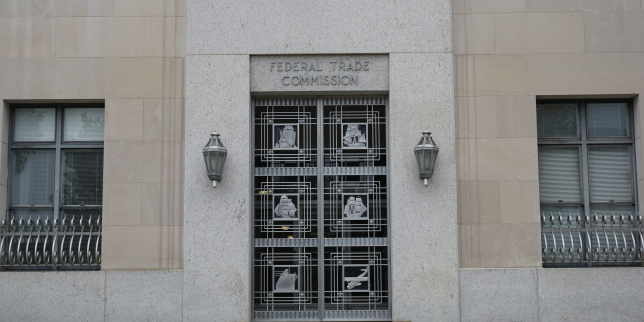
- Restrictive Covenants & Trade SecretsApril 24, 2024
FTC Final Rule Banning Most Non-Competes Passes – What You Need to Know
On April 23, 2024, the Federal Trade Commission (“FTC”) conducted a special Open Commission Meeting to vote on a Final Rule (the “Rule”) banning most non-compete clauses as an “unfair method of competition.” By a vote of 3-2, the Rule was approved for publication in the Federal Register. The Rule becomes effective 120 Days from Publication in the Federal Register (the “Effective Date”). Here is what you need to know: What clauses are impacted by the Rule? The Rule defines a prohibited “non-compete clause” to include any contract term, workplace policy, or term or condition of employment, written or oral, that prohibits a worker from, penalizes a worker for, or functions to prevent a worker from seeking work, accepting work, or operating a business after prior employment ends. Other types of post-employment covenants (e.g., non-solicitation) could be attacked under the Rule if they have the effect of a non-compete. What employers and workers are impacted by the Rule? Generally, the Rule will impact all employers other than certain banks, savings and loan companies, non-profits, and common carriers, which are not subject to the FTC’s authority by law. The Rule applies to paid and unpaid workers, including employees, independent contractors, externs, interns, volunteers, apprentices, and sole proprietors. The Rule does not apply to the franchisee in a franchisor relationship. What conduct is prohibited by the Rule? The Rule prohibits employers from (1) entering into or attempting to enter into a non-compete clause, (2) enforcing or attempting to enforce a non-compete clause, and (3) representing that a worker is subject to a non-compete clause. The Rule applies to non-compete clauses entered before the Effective Date unless the non-compete clause is with a “Senior Executive”. The exception for “Senior Executives”: Unlike the proposed rule, the final version of the Rule provides an exception for non-compete clauses entered into with Senior Executives before the Effective Date. A Senior Executive means a worker receiving total annual compensation (excluding fringe benefits) of at least $151,164 in the preceding year, and was “in a policy-making position”—meaning the entity’s president, CEO, officer, or other person who has final authority to make policy decisions that control significant aspects of the entity (and not just a subsidiary or affiliate). The exception for “bona fide sales of business”: The Rule does not apply to non-compete clauses entered into “pursuant to a bona fide sale of a business entity, of the person’s ownership interest in a business entity, or of all or substantially all of a business entity’s operating assets.” The Rule does not limit this exception to only those holding at least 25% ownership interest in a business, like the proposed rule did. What does the Rule require employers to do now? On or before the Effective Date (unless the Rule is enjoined), employers are required to provide all workers with impacted non-compete clauses clear and conspicuous notice to the worker that the non-compete clause will not be, and cannot be, legally enforced against the worker. The notice must be provided in writing by hand deliver, mail, email or text message, and group communications are permissible. The Rule provides model notice language. What happens to existing lawsuits? The Rule does not apply to causes of action related to non-compete clauses that have accrued prior to the Effective Date. Put another way, the Rule likely will not change cases involving alleged violations of non-compete clauses occurring before the Effective Date. What do we expect next? Lawsuits challenging the Rule were filed within hours of the vote, including a lawsuit filed in the United States District Court for the Eastern District of Texas by the U.S. Chamber of Commerce. Given the scope of the Rule and its impact, it is anticipated that at least some courts will enjoin the Rule from taking effect until the U.S. Supreme Court has an opportunity to weigh in on the Rule’s validity and constitutionality. Is there still risk when hiring a competitor’s employees? Yes. The Rule does not take effect for months and may never take effect if the court challenges are successful. The Rule also does not apply to conduct occurring before the Effective Date, so actions taken now still have risk. More importantly, the Rule generally does not eliminate all risk to hiring employees from a competitor because even without non-compete clauses, employers can bring suit based on other contract terms (non-solicitation and non-disclosure clauses), trade secrets, and legal theories to protect their interests when former employees go to work for a competitors. Contact your Polsinelli attorney if you need guidance reviewing your non-compete agreements or strategy around restrictive covenants.
- Restrictive Covenants & Trade SecretsJanuary 25, 2023
FTC Proposed Noncompete Ban Reinforces Need to Protect Competitive Information Now
As we recently reported, on January 5, 2023, the Federal Trade Commission proposed a rule banning the use of non-compete covenants in nearly all circumstances. The FTC is seeking comments on the proposed rule until March 20, 2023. Even if the proposed rule or a variation of it is ultimately implemented, it will likely face a multitude of legal challenges. To learn more about this proposed rule, please see our recent webinar recording here. Note: Guests will have to register, then can click on the View Content link. A new browser window will pop up with the recording. Nevertheless, in the immediate aftermath of this proposed rule, employers are asking, “what now?” In recent years, we forewarned of the impending threat to the use of non-compete covenants and emphasized the need for employers to protect their confidential information through other means. Regardless of the outcome of the proposed rule, the FTC’s action is a reminder that non-compete covenants are under ever increasing scrutiny and criticism, and employers must consider alternative ways to protect their confidential and trade secret information. Over a year and a half ago, we encouraged employers “to revisit the protections they have in place to protect trade secret and confidential information and their investments in employee training.” Especially in light of the FTC’s announcement, we reiterate that employers would be wise to revisit those protections and engage in a thorough three-step process to evaluate, identify and protect their confidential and competitive information. The steps include: 1. Conducting a comprehensive review and identification of the company’s competitive, confidential and trade secret information; 2. Identifying who has access to that information; and 3. Evaluating how to best protect that information (potentially without the use of non-competes). While this auditing process takes time and energy and is not a one size fits all solution, it is an investment in the protection of competitive information that will pay dividends if the need to protect that information through litigation ever arises. Generally, some of the safeguards the employer can use to protect this information include: Ensuring access to shared files is on a need-to-access basis only; Limiting access to client information to only those clients whom a particular employee services; Limiting access to research and development information to only those individuals in research and development who are working on the particular project; Republishing policies forbidding the use of personal email accounts for business purposes; Implementing safeguards for the electronic mailing and sharing of confidential documents; Having employees acknowledge/reaffirm their understanding that company competitive information is owned by the company and only certain people are allowed access; Utilizing non-solicitation covenants in appropriate circumstances. Identifying and ensuring adequate protection for competitive information is paramount, given the ongoing threats to the viability of non-compete agreements – both at the state and federal levels. Polsinelli attorneys can assist employers with the evaluation, identification and protection process described above by following our “TS 360” program. We also will continue to follow developments surrounding the proposed rule and are prepared to assist employers with questions surrounding immediate actions that can be taken to respond to the possible ban on non-competes.
- Discrimination & HarassmentFebruary 11, 2022
Mandatory Arbitration Agreements No Longer Enforceable in Sexual Harassment or Assault Cases
In a rare showing of bipartisanship, the Senate passed the Ending Forced Arbitration of Sexual Assault and Sexual Harassment Act, which allows employees or others to escape mandatory arbitration clauses in connection with any case raising issues of sexual harassment or assault. President Biden previously expressed support for the bill and is expected to quickly sign it into law. Specifically, the bill gives employees and others alleging a “sexual assault dispute” or “sexual harassment dispute” the ability to elect to render a mandatory arbitration clause invalid or unenforceable. Because this ability is phrased as an “election,” it appears that the person resisting arbitration must affirmatively challenge the arbitration agreement, rather than the arbitration agreement being entirely unenforceable. The bill defines a “sexual assault dispute” as a “dispute involving a nonconsensual sexual act or sexual contact”. A “sexual harassment dispute” is defined as a dispute relating to any of the following conduct directed at an individual or group of individuals: Unwelcomed sexual advances. Unwanted physical contact that is sexual in nature, including assault. Unwanted sexual attention, including unwanted sexual comments and propositions for sexual activity. Conditioning professional, educational, consumer, health care, or long-term care benefits on sexual activity. Retaliation for rejecting unwanted sexual attention.” The bill applies not only to federal claims under Title VII of the Civil Rights Act of 1964, but also to state and tribal law claims as well. Employees can also avoid class, collective, or multi-plaintiff action waivers in connection with sexual harassment or sexual assault disputes. In addition, the bill provides that the validity and enforceability of an agreement is to be decided by the court, rather than an arbitrator, which will likely increase the probability that disputes will be resolved in favor of court litigation rather than arbitration. Employees frequently bring a sexual harassment, also referred to as hostile work environment, claim as part of a broader action with other employment-based claims. Although the bill does not explicitly address how mandatory arbitration would apply to such a mixed action, it provides that it reaches actions that “relate to” sexual harassment or assault claims. This broad language raises the prospect that employees alleging sexual harassment along with other, potentially unrelated claims will be able to litigate the entire dispute in court. The new bill, once signed, will undoubtedly have far-reaching implications given the millions of individuals subject to arbitration clauses. Numerous recent Supreme Court decisions giving broad construction of the scope and applicability of the Federal Arbitration Act (“FAA”) may be called into question. Polsinelli attorneys will continue to monitor for related developments. Arbitration has long been a key tool in employers’ playbooks to manage their risk and potential liability under the plethora of federal, state, and local laws governing their personnel practices. This bill deals a blow to employers’ ability to mandate arbitration in the context of sexual harassment claims. Employers who rely on mandatory arbitration as part of their risk management programs should consult with counsel to adjust their practices in response to this bill and other recent developments.
- Restrictive Covenants & Trade SecretsJuly 09, 2021
Biden Executive Order Signals Future Restrictions on Non-Compete Agreements
On July 9, 2021, President Biden made good on a campaign promise to address non-compete agreements by issuing a sweeping executive order that specifically targets barriers to competition. Specifically, the executive order encourages the Federal Trade Commission and other federal agencies to ban or limit non-compete agreements. However, no specifics are offered as to the breadth of any restrictions the Biden Administration would ultimately like to see. And even assuming those agencies respond to this encouragement, we expect the rulemaking process will not yield actionable results for a considerable period of time and is unlikely to result in a complete ban on the use of non-competes. In a press conference, the President stated that the executive order is in response to the growing number of employers utilizing non-competes in recent years – estimating that between 35 million and 60 million private-sector individuals are subject to non-competition agreements. The Biden Administration believes limiting or banning the use of non-competition agreements will increase economic growth and increase wages to allow workers mobility to switch to better-paying jobs. The executive order could prove to be an accelerant for states to initiate their own legislation limiting the use of non-competes – a recent state-law trend that has been gaining traction across the country, in which we have been closely monitoring over the last few years. Regardless of how broadly the executive order is written or when federal agencies ultimately issue new rules, the writing on the wall for years has indicated that the broad use of traditional non-compete agreements will continue to be limited. Employers would be wise to revisit the protections they have in place to protect trade secret and confidential information and their investments in employee training to ensure such protections are narrowly tailored to obtain court enforcement if challenged. One solution has been to move away from traditional non-compete agreements toward customer-based restrictions for the majority of employees. Polsinelli attorneys continue to monitor actions taken by federal agencies to enforce President Biden’s executive order and are prepared to assist employers with navigating the evolving non-compete landscape.